Dock Decking & Re-Decking at the Lake of the Ozarks, MO
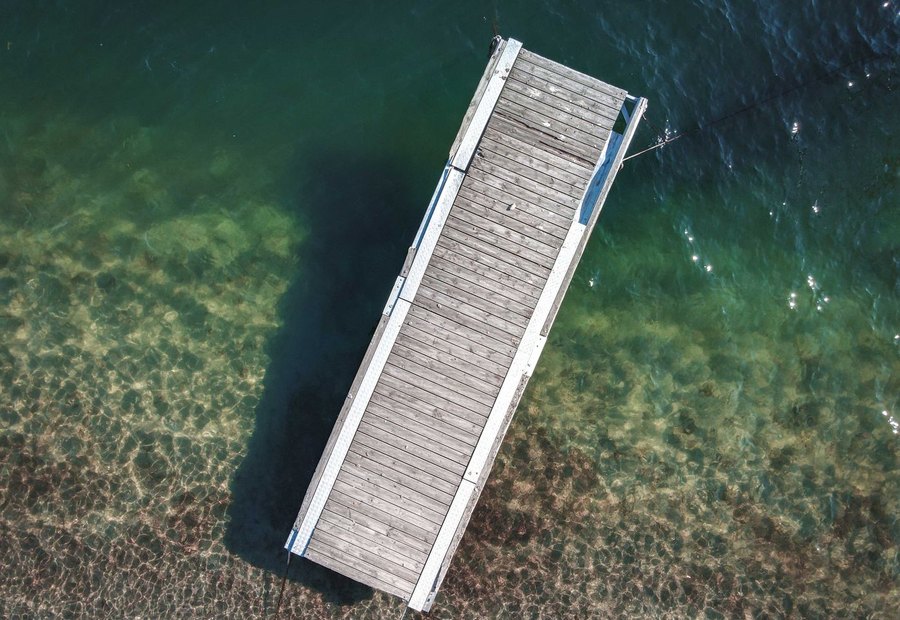
The deck is the part of the dock you actually live on. It is also the part that takes the most abuse: full sun, constant wet feet, and the splash of every wake. Over time wood cups, cracks, grays, and throws splinters, and the fasteners back out into bare-foot territory. Re-decking fixes all of it, and because the deck is a surface layer on a sound frame, it costs a fraction of a rebuild. Ozark Dock & Lift re-decks floating docks across the Lake of the Ozarks in composite, aluminum, and wood.
Composite Decking
Composite is the most popular re-deck here for good reason. It gives a solid, wood-look surface that never needs staining or sealing, does not splinter, and shrugs off the wet-dry cycle that destroys wood. The one tradeoff is heat: darker boards get hot in full summer sun, so for a dock that sees a lot of barefoot traffic we point you toward the lighter colors. Composite is heavier than aluminum, which matters on flotation, and we account for the added weight so the dock still rides level.
Aluminum Decking
Aluminum is the choice when weight and heat matter most. It is the lightest decking, so it loads the flotation least, it stays noticeably cooler underfoot than dark composite, and it sheds water through the channels between planks. It will not rot, splinter, or cup, and it lasts essentially the life of the dock. It reads more utilitarian than composite, which some owners like and some do not.
Wood, Done Right
Pressure-treated wood is the lowest up-front cost and still has a place, especially on a budget re-deck or to match an existing wood dock. The catch is maintenance: wood wants cleaning and sealing to stay decent, and it will gray and splinter if it is left alone. If you go wood, we fasten it with coated or stainless screws that hold in a wet environment and set the boards with proper gaps for drainage and expansion.
Fasteners Are Half the Job
Most of the deck problems we are called for are really fastener problems. Cheap screws rust, lose their heads, and back out, leaving boards loose and toes at risk. Whatever decking goes down, we fasten it with coated or stainless hardware rated for a lake, set below the surface, so the deck stays tight and smooth instead of working loose a season later.
Re-Decking a Sound Dock
If your frame and flotation are in good shape, re-decking is the single best-value upgrade available. We pull the old surface, inspect the frame and joists while they are exposed, flag any repairs that are easier to make now, and lay the new deck tight and square. A tired dock comes back looking new from the waterline up.
Tired of gray boards and splinters? Call (573) 555-0147 and we will price composite, aluminum, and wood for your dock so you can see the tradeoffs side by side.
What decking lasts longest on a dock here?
Composite and aluminum both outlast wood on the water, and each has a place. Composite gives a solid, wood-look surface that never needs staining and does not splinter, though darker colors get hot underfoot in July. Aluminum decking stays cooler, sheds water, and is the lightest option, which matters on flotation. Pressure-treated wood costs the least up front but needs maintenance and gives you splinters as it ages. We walk through the tradeoffs for how you use the dock.
Can I re-deck without replacing the whole dock?
Almost always, yes. Decking is a surface layer fastened to the frame, so as long as the frame and flotation are sound, new decking goes right over the existing structure. Re-decking is one of the highest-value things you can do to a tired dock: it transforms how the dock looks and feels for a fraction of a rebuild.
Why are my deck boards cupping and pulling their screws?
Sun and water. Wood boards cup as the top dries and the bottom stays damp, and the constant wet-dry cycle works the fasteners loose. Screws backing out are a trip and a bare-foot hazard. We replace failed boards, upgrade to coated or stainless fasteners that hold in a wet environment, and can switch you to composite or aluminum so it does not happen again.
How hot does composite decking get in summer?
Darker composite can get genuinely hot on a still July afternoon, hot enough to notice on bare feet. Lighter colors and aluminum run cooler. If your dock gets full sun and sees a lot of barefoot traffic, we steer you toward a lighter composite or aluminum rather than the darkest board in the catalog.